

Table of Contents
- Why an Organized Trunk Matters
- Step 1: Assess Your Current Trunk Layout
- Step 2: Gather Budget-Friendly Storage Materials
- DIY Car Trunk Storage Ideas Without Spending Much
- How to Maximize Trunk Space for Sedans and Hatchbacks
- Best Car Gadgets Under $50 for Trunk Organization
- Securing Items to Prevent Shifting During Driving
- Common Mistakes to Avoid When Organizing Your Trunk
Last Updated: August 29, 2026
Organize Your Car Trunk on Budget: 7 Smart Steps
A cluttered trunk wastes space, makes finding essentials difficult, and can damage items during sudden stops or turns. The good news: organizing your car trunk on budget doesn't require expensive storage systems or professional organizers. Below, we'll show you exactly how to organize car trunk on budget using practical strategies, dollar store finds, and DIY hacks that cost little to nothing.
The best part? Most of these solutions work whether you drive a sedan, hatchback, SUV, or truck. You'll learn which storage materials actually perform, how to prevent items from shifting during driving, and which affordable gadgets deliver real value.
Why an Organized Trunk Matters
A disorganized trunk creates more problems than just visual clutter. Loose items shift during acceleration and braking, potentially damaging both your cargo and your vehicle's interior. Unsecured cargo can become projectiles in sudden stops, creating a safety hazard for you and your passengers (nhtsa.gov). When you can't find emergency supplies quickly, you lose precious time in a roadside crisis.
Weight distribution matters too. Piling everything to one side of your trunk affects your vehicle's handling and fuel efficiency. Properly distributed cargo keeps your car balanced and stable, especially during turns. An organized trunk also makes it easier to access what you need without digging through a pile of random items.
Beyond safety and efficiency, cargo management reduces stress. You'll know exactly what's in your trunk and where to find it. No more searching for jumper cables or a flashlight when you need them. This peace of mind alone makes the effort worthwhile.
Step 1: Assess Your Current Trunk Layout
Start by removing everything from your trunk completely. This sounds obvious, but most people skip this step and try to organize around existing clutter. You need a blank canvas.
Once everything is out, examine your trunk's actual dimensions. Measure the length, width, and height of your usable space. Check for any permanent fixtures like spare tire wells, tool storage compartments, or anchor points. Note where the wheel wells protrude into the space. Understanding your trunk's actual layout prevents you from buying organizers that won't fit.
Next, categorize what you actually use. Separate items into groups: emergency supplies, tools, seasonal items, sports equipment, or whatever applies to your lifestyle. Be honest about what you genuinely need versus what's just taking up space. That box of old paperwork or broken umbrella? It's probably not earning its spot.
Take photos of your empty trunk from multiple angles. This reference becomes useful when you're shopping for organizers or planning your layout. You'll remember exact dimensions and problem areas without guessing.
Step 2: Gather Budget-Friendly Storage Materials
Before spending money on specialized automotive organizers, check what you already have. Many households have perfectly good storage containers hiding in closets, basements, or garages. Plastic bins, cardboard boxes, old toolboxes, or storage crates can all work in a trunk.
Visit dollar stores first. These retailers stock affordable plastic bins, small boxes, dividers, and organizational supplies. A dollar store trip typically yields multiple organizers for under $20. The containers won't last forever, but they cost so little that replacing them annually is still cheaper than buying premium automotive storage systems.
Check online marketplaces for bulk deals on storage containers. Buying five identical bins often costs less per unit than buying them individually. Uniform containers stack more efficiently and look more organized than a mismatched collection.
Consider what materials work best for your climate. If you live somewhere humid or experience temperature swings, plastic holds up better than cardboard. If your trunk gets extremely hot, avoid storing anything temperature-sensitive near the trunk lid.
DIY Car Trunk Storage Ideas Without Spending Much
Dollar Store Organizers and Repurposed Containers
Dollar stores are treasure troves for trunk organization. Small plastic bins designed for desk supplies work perfectly for grouping small items like fuses, bulbs, and fasteners. Drawer organizers with compartments keep cables, straps, and cords from tangling. Magazine holders, turned sideways, create perfect slots for storing flat items like floor mats or documents.
Shoe organizers with clear pockets are surprisingly useful for trunks. Hang one on the back of a front seat or secure it to the trunk lid. Each pocket holds small tools, emergency supplies, or seasonal items. The transparent pockets let you see what's inside without opening anything.
Repurposed containers from your home work equally well. Old cereal boxes, cut down and reinforced with duct tape, create dividers for free. Plastic takeout containers stack neatly and hold miscellaneous small items. Mason jars organize screws, bolts, and hardware without taking up much space.
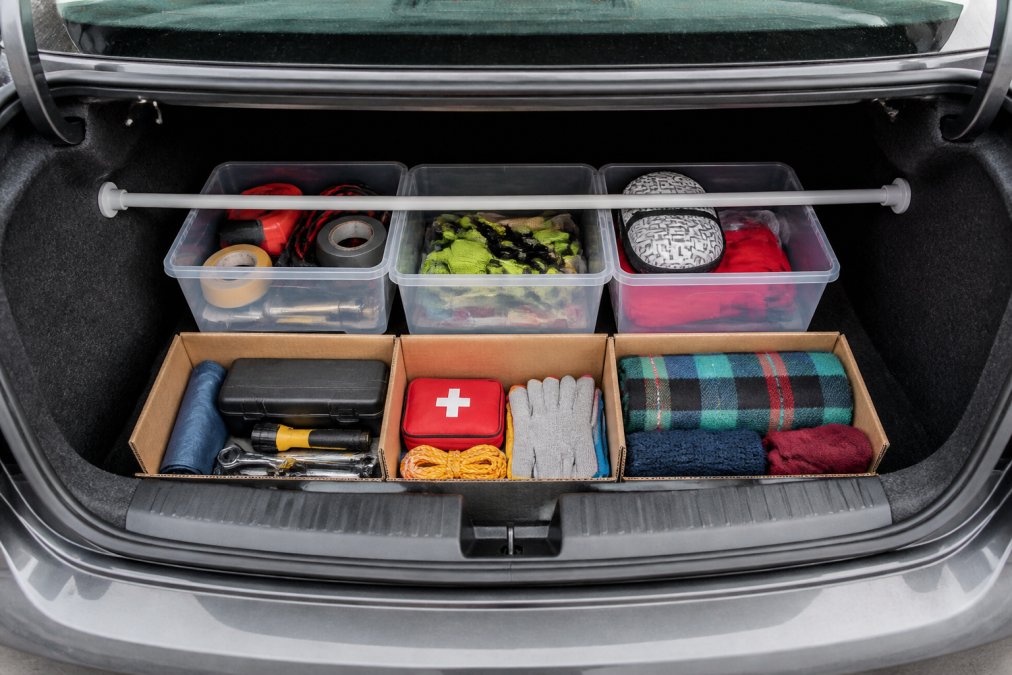
The key is using what you have before buying anything new. This approach costs almost nothing while teaching you exactly what storage solutions work for your specific needs.
Tension Rods and Velcro Attachments
Tension rods, the kind used for hanging curtains, are unexpectedly useful in trunks. They prevent items from sliding forward during braking. Install one or two horizontally across your trunk at different heights to create barriers. This simple addition costs just a few dollars and dramatically improves cargo security.
Velcro strips are another budget secret. Heavy-duty adhesive-backed Velcro costs under $10 for a large roll. Use it to secure small organizers to your trunk floor or walls. Velcro holds items in place without drilling holes or using permanent fasteners. It's removable and reusable, making it perfect for renters or people who change their setup frequently.
Command strips, designed for hanging artwork, also work in trunks. These adhesive strips hold surprising amounts of weight and remove cleanly without damaging surfaces. Use them to attach organizers, hooks, or small shelves to your trunk walls.
Bungee cords and cargo nets cost under $15 and prevent shifting during driving. Unlike expensive tie-down systems, basic bungee cords do the job effectively. Run them across the top of your cargo to keep everything in place during acceleration and turns.
Eco-Friendly and Upcycled Storage Solutions
If you care about environmental impact, upcycled storage costs nothing and reduces waste. Old egg cartons organize small items like fuses or buttons. Newspaper and cardboard create free dividers. Cloth bags from previous purchases hold items better than plastic and look more intentional.
Wine crates, often available free from grocery stores or restaurants, create rustic but functional storage. Stack them in your trunk to create compartments. They're sturdy enough to hold tools and heavy items. Wood crates also allow air circulation, which helps prevent moisture buildup.
Old towels and blankets serve double duty as both cargo protection and padding. They cushion fragile items and prevent things from sliding around. This approach costs nothing if you have old textiles at home.
Repurposed wooden pallets can be cut and customized to fit your trunk space. If you have basic carpentry skills, pallets create custom shelving for free or nearly free. Even without cutting, a single small pallet creates a raised platform that improves accessibility.
The environmental benefit of upcycling is real, but the financial benefit is even better. You're organizing your trunk for essentially free while keeping items out of landfills.
How to Maximize Trunk Space for Sedans and Hatchbacks
Vertical Storage and Compartmentalization
Vertical storage is the secret to fitting more into limited space. Instead of laying items flat and stacking them high, use your trunk's full height by organizing vertically. Narrow organizers standing upright take up less floor space than wide, flat containers.
Compartmentalization prevents the "everything slides around" problem. Dividing your trunk into zones for different item types makes the space feel larger and more organized. Use dividers, small bins, or even rolled-up towels to create sections.
For sedans specifically, the trunk opening is narrower than SUVs, making access challenging. Position frequently needed items toward the front of the trunk. Emergency supplies should be easily reachable without moving other items. Keep seasonal items and rarely used tools toward the back.
Hatchbacks offer more flexibility because you can fold down rear seats for extra space when needed. When the seats are up, treat your hatchback trunk like a sedan and focus on vertical organization. When you need more capacity, you already have the option to expand.
The goal is using every inch of available space without creating a puzzle every time you need something. Organized compartments make this possible.
Weight Distribution and Fuel Efficiency
How you load your trunk affects your vehicle's handling and fuel consumption. Distribute weight evenly from side to side. Avoid piling everything to one side, which throws off your car's balance and makes steering less responsive.
Place heavier items low and toward the center of the trunk. This lowers your vehicle's center of gravity and improves stability. Lighter items can go higher or toward the edges. This distribution principle applies whether you're hauling tools, emergency supplies, or seasonal gear.
Heavy trunks reduce fuel efficiency. The more weight your engine has to move, the more fuel it burns (the EPA). This is especially noticeable during city driving where acceleration and braking happen frequently. Keep your trunk organized and only carry what you actually use regularly. Remove seasonal items when they're no longer needed.
For sedans, weight distribution matters even more because the trunk sits over the rear wheels (sae.org). Uneven weight can affect how your sedan handles turns. Balanced cargo keeps your car predictable and responsive.
Best Car Gadgets Under $50 for Trunk Organization
Collapsible Bins and Foldable Organizers
Collapsible bins are game-changers for trunk storage. They fold flat when empty, taking up almost no space. When you need them, they expand to full size. This flexibility means you can add storage capacity without permanently sacrificing trunk space.
Quality collapsible bins hold their shape even when full. Cheap versions collapse under weight, making them frustrating to use. Look for bins with reinforced walls and sturdy handles. These perform better and last longer than flimsy alternatives.
Foldable organizers designed specifically for car trunks often include compartments and dividers built in. They're more expensive than basic bins, but they're designed for automotive use and fit better in irregular trunk spaces. Many include anti-slip bases that prevent sliding during driving.
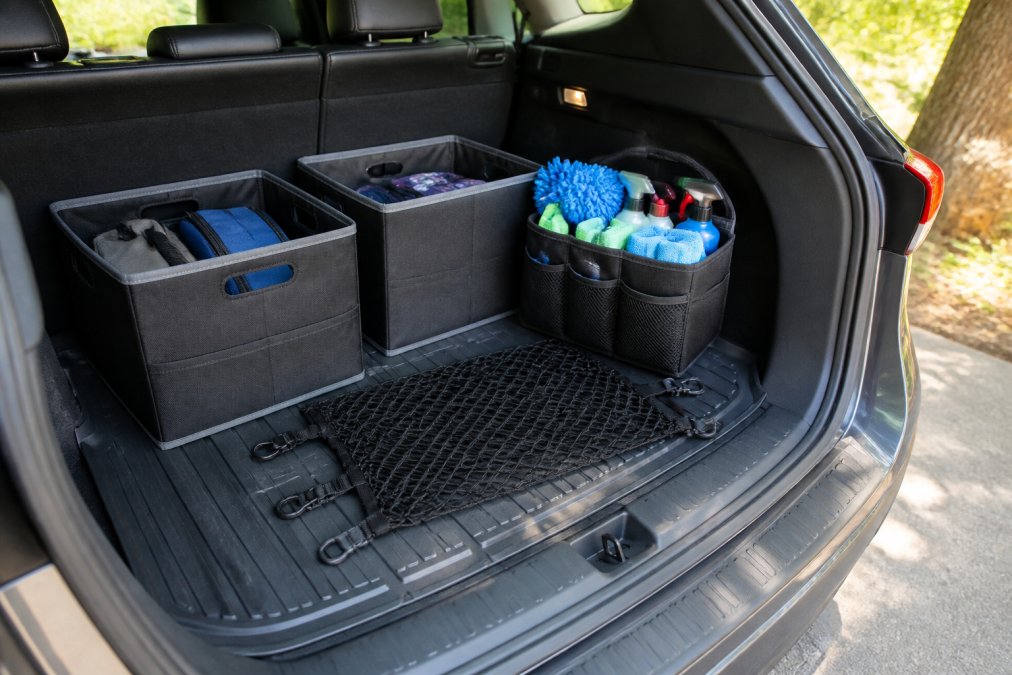
The advantage of collapsible and foldable options is flexibility. You can adjust your storage setup as your needs change. Add organizers when you need them, remove them when you don't.
Cargo Nets and Anti-Slip Liners
Cargo nets prevent items from sliding around during driving. They're simple, inexpensive, and incredibly effective. A good cargo net costs under $20 and lasts for years. Install one across your trunk to create a barrier that keeps everything in place.
Anti-slip liners go on your trunk floor and prevent containers from sliding forward during braking. These rubber mats cost under $30 and make a noticeable difference in cargo security. They also protect your trunk floor from scratches and damage.
Combination products that include both netting and anchoring points offer maximum security. These systems cost more than individual items but provide comprehensive cargo management. For most people, a basic net and liner combination works perfectly.
The best cargo net has multiple anchor points that attach to existing tie-down loops in your trunk. Check your vehicle's manual to find these attachment points. Using them properly ensures your cargo stays secure even during emergency stops.
Securing Items to Prevent Shifting During Driving
Unsecured cargo becomes dangerous during sudden stops or turns. Items can shift forward and create blind spots, or worse, become projectiles. Securing your cargo takes just a few minutes and prevents damage and danger.
Use bungee cords to secure larger items like tools or sports equipment. Thread them through anchor points in your trunk and over your cargo. Make sure they're tight enough that nothing moves when you brake suddenly, but not so tight that they damage items.
For smaller items in bins, Velcro strips keep containers from sliding. Apply heavy-duty Velcro to the bottom of bins and to your trunk floor. This simple solution prevents shift-related damage and keeps your organization system intact.
Tie-down straps with ratchets provide the most secure fastening. These cost under $15 for a set and are reusable indefinitely. They work especially well for awkward shapes or heavy items that can't be contained in bins.
Test your setup by driving normally and listening for movement. If you hear items shifting or sliding, tighten your securing system. A properly secured trunk is silent during driving.
Common Mistakes to Avoid When Organizing Your Trunk
The biggest mistake is overestimating how much you actually need in your trunk. People accumulate items with good intentions, then never use them. Be ruthless about what stays. If you haven't used something in a year, it's probably not earning its spot.
Buying organizers before assessing your trunk's actual dimensions wastes money. Measure first, shop second. Many people buy beautiful storage systems that don't fit their trunk or don't suit their vehicle type.
Ignoring weight distribution creates handling problems. Don't pile everything in one corner. Spread weight evenly and keep heavy items low. This simple principle improves both safety and fuel efficiency.
Using boxes or cardboard for permanent storage fails in humid climates. Cardboard breaks down and collapses over time. Plastic containers handle moisture better and last longer.
Blocking emergency supplies with other cargo defeats the purpose of having them. Keep jumper cables, flashlights, and first aid kits easily accessible. Don't bury them under seasonal items or tools you rarely use.
Forgetting to secure cargo is dangerous. Items sliding around during driving can damage your vehicle's interior and create safety hazards. Spend a few minutes securing everything properly.
Not labeling containers makes it impossible to find anything. Use a permanent marker to label bins clearly. Or use clear containers so you can see contents at a glance without opening anything.
An organized trunk saves time, improves safety, and makes your vehicle more functional. The strategies covered here work whether you're driving a sedan or hatchback, and most cost just a few dollars to implement. At The Daily Drop by Ed Rivera, we believe you shouldn't overpay for trunk organization solutions. Start with what you have at home, add a few affordable dollar store finds, and you'll have a perfectly organized trunk that works for your lifestyle. Visit our site regularly to find deals on collapsible bins, cargo nets, and other trunk organization gadgets. Your car, and your peace of mind, will thank you.
Frequently Asked Questions
How can I effectively organize my car trunk on a tight budget?
Start by removing everything and assessing what you actually need. Use dollar store bins, tension rods, and repurposed containers to create compartments. Group similar items together (emergency kit, tools, seasonal gear) and use velcro strips or cargo nets to secure them. This approach costs under $30 and prevents load shifting while keeping everything accessible and clutter-free.
What are the best DIY car trunk storage ideas that don't require expensive organizers?
Tension rods work great for securing bags and preventing them from sliding. Plastic crates from dollar stores create instant compartmentalization. Old shoe boxes or repurposed containers hold smaller items. Egg cartons organize jumper cables and fuses. Velcro strips attach organizers to the trunk floor. For eco-friendly options, use cardboard boxes, newspaper for cushioning, and fabric scraps as dividers. These solutions cost pennies and maximize your cargo management.
How do I maximize trunk space in a sedan versus an SUV?
Sedans have limited depth, so use vertical storage with collapsible bins that stack neatly. Position heavier items low and toward the center to maintain fuel efficiency and prevent load shifting. SUVs offer more cubic footage, so use modular designs and larger foldable organizers. In both vehicle types, secure cargo with nets or straps to prevent items from sliding during acceleration or braking, which also improves safety.
What affordable gadgets help keep trunk items from sliding around while driving?
Cargo nets ($10-20) secure loose items and prevent them from moving. Anti-slip liners or grip mats ($5-15) provide traction for bins and boxes. Tension rods ($3-8 each) create barriers between compartments. Velcro strips ($5-10 for a pack) attach organizers to the trunk floor. These best car gadgets under $50 work together to eliminate shifting, protect your emergency roadside kit, and keep your trunk organized during every drive.
This article was written using GrandRanker