

Table of Contents
- How to Find Affordable Household Essentials: A Smart Shopping Strategy
- Build Your Essential Household Items Checklist
- Master Unit Pricing to Compare Real Costs
- Best Places to Buy Cheap Home Goods
- Bulk Buying Household Essentials for Maximum Savings
- Smart Shopping Strategies to Cut Costs
- DIY Cleaning Alternatives and Budget-Friendly Substitutes
- Manage Your Household Inventory on a Budget
Last Updated: August 10, 2026
How to Find Affordable Household Essentials: A Smart Shopping Strategy
Finding affordable household essentials doesn't mean sacrificing quality. At The Daily Drop by Ed Rivera, we understand that smart shoppers want to stretch their budgets without compromising on the basics their homes need. This guide walks you through proven strategies to locate and purchase affordable household essentials at prices that actually make sense.
The key to saving money on household staples is strategy, not luck. Understanding where to shop, how to compare prices, and when to buy can cut your household spending significantly. Most people overpay because they shop reactively, grabbing items as they run out rather than planning ahead and tracking where prices are lowest.
Build Your Essential Household Items Checklist
The foundation of smart household shopping is knowing what you actually need. An essential household items checklist ensures you're buying intentionally rather than impulse shopping and prevents waste from purchasing duplicates.
Start by categorizing your household needs into four main areas: cleaning and maintenance, laundry care, kitchen and dining, and bathroom and personal care. This organization helps you spot gaps in your inventory and identify opportunities to buy in bulk or during sales.
Cleaning Supplies and Detergents
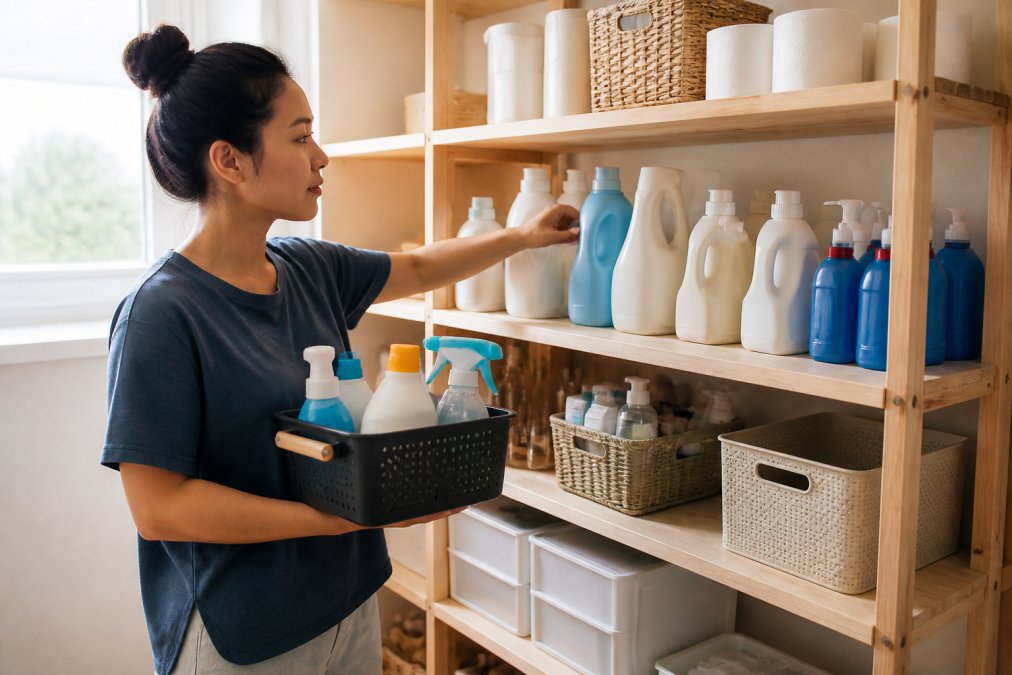
Cleaning supplies are recurring expenses that add up quickly. Your core inventory should include all-purpose surface cleaner, glass cleaner, disinfectant spray, toilet bowl cleaner, and floor cleaner. Generic and store-brand cleaning products typically perform identically to name brands but cost significantly less.
Concentrate-based cleaners that you dilute yourself reduce costs per use compared to ready-to-spray bottles. Many households successfully use vinegar and baking soda for scrubbing surfaces and deodorizing, which costs pennies compared to specialty cleaners.
Laundry Care Essentials
Laundry detergent, fabric softener, and stain removers represent significant recurring expenses. Store-brand detergents contain the same active cleaning ingredients as premium brands at lower cost. Liquid detergents often cost less per load than pods when you calculate actual cost per use.
Consider your laundry volume when choosing between concentrated and standard formulas. Concentrated detergents deliver better value for households doing substantial laundry. Fabric softener and dryer sheets are optional expenses; wool dryer balls provide reusable alternatives that reduce ongoing costs.
Kitchen and Dining Basics
Kitchen essentials include dish soap, dishwasher detergent, paper towels, trash bags, and food storage containers. Dish soap concentrate or refillable bottles cost substantially less per ounce than individual bottles. Paper towel rolls from warehouse clubs offer better per-roll pricing than convenience stores. Trash bags in bulk boxes reduce per-bag cost.
Quality food storage containers are one-time purchases that benefit from clearance shopping or seasonal sales.
Bathroom and Personal Care Items
Bathroom essentials include toilet paper, tissues, hand soap, toothpaste, and personal hygiene products. Buying larger packages or cases from warehouse retailers cuts per-roll or per-box cost substantially. Hand soap in bulk liquid form costs less than individual bars or pump bottles.
Toothpaste, deodorant, and other personal care items often go on sale seasonally. Stocking up during these sales, particularly around holidays, reduces year-round costs. Generic and store-brand versions deliver equivalent results to premium brands.
Master Unit Pricing to Compare Real Costs
Unit pricing is your most powerful tool for comparing the true cost of affordable household essentials across different package sizes and brands. To calculate unit price, divide the total price by the quantity. For example, if a 64-ounce bottle of cleaning spray costs $4.80, the unit price is $0.075 per ounce.
Unit pricing becomes especially valuable when comparing store brands to name brands. You'll often find that store-brand cleaning supplies cost 30-50% less per unit than comparable name-brand products, with nearly identical performance.
Create a simple spreadsheet tracking unit prices for items you buy regularly. Update it quarterly as prices change. This reference tool takes minutes to consult when shopping and prevents overpaying.
Best Places to Buy Cheap Home Goods
Where you shop dramatically affects what you pay for affordable household essentials. Different retailers offer different advantages, and strategic shoppers use multiple sources.
Warehouse clubs like Costco and Sam's Club offer bulk pricing on many household essentials, though they require membership fees. If your household spends enough on recurring items, the membership pays for itself through savings.
Discount retailers and dollar stores carry many household basics at low absolute prices, though unit prices sometimes exceed those at warehouse clubs. Online retailers including The Daily Drop by Ed Rivera offer daily deals and changing inventory on household essentials. The advantage of online shopping is access to competitive pricing without membership requirements and the ability to compare prices from home. The Daily Drop by Ed Rivera specifically curates deals on household essentials alongside other product categories, making it a convenient single source for budget-conscious shoppers seeking affordable household essentials with new deals added regularly.
Grocery store sales and promotions, particularly around holidays and seasonal transitions, offer opportunities to stock up at significant discounts. Signing up for store loyalty programs provides advance notice of sales and sometimes exclusive pricing.
Bulk Buying Household Essentials for Maximum Savings
Bulk purchasing makes sense for non-perishable household items you use regularly and can store effectively. Most cleaning supplies, laundry detergents, and paper products have long shelf lives and store easily, making them ideal for bulk buying.
Calculate the break-even point before bulk buying. If a bulk package costs $40 and saves you $10 compared to buying smaller quantities over time, you need to actually use the entire bulk package to realize savings. For households buying bulk household essentials for multiple properties or family members, the savings multiply.
Smart Shopping Strategies to Cut Costs
Strategic shopping habits compound savings over time. These practices separate budget-conscious shoppers from those who overpay consistently.
Track Prices and Use Price Matching
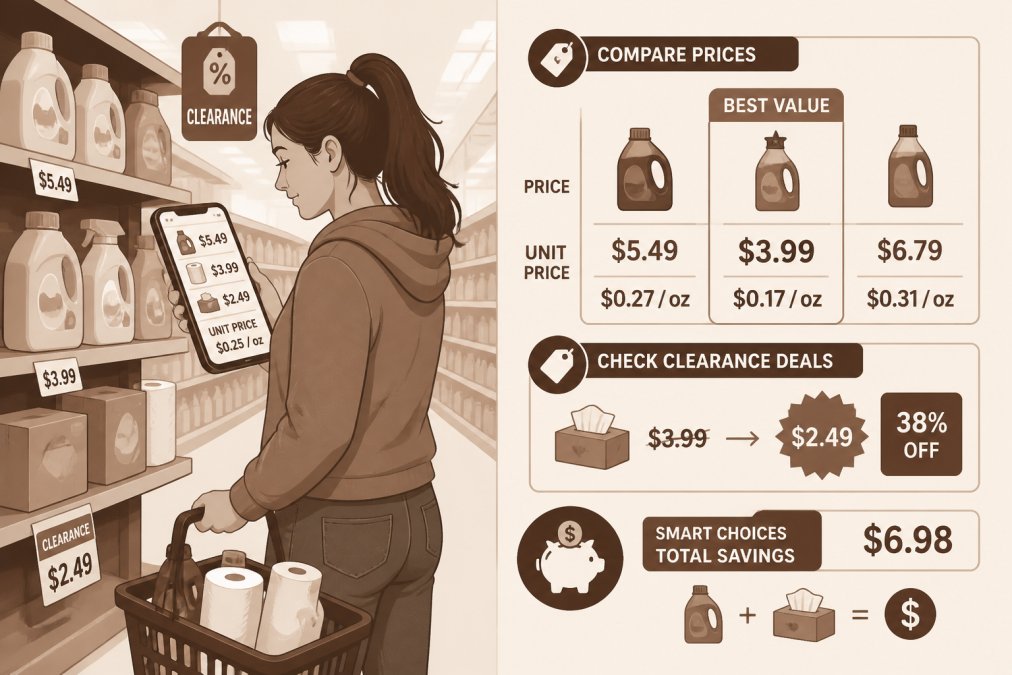
Maintaining awareness of regular prices for items you buy frequently prevents overpaying. Many retailers offer price matching, allowing you to buy at a competitor's lower price. Use your phone to photograph prices or note them when you see good deals. Over time, you'll recognize when prices are genuinely low versus when they're presented as sales but are actually regular pricing.
Some retailers offer price-matching guarantees that extend for a period after purchase. If a product you bought goes on sale within that window, you can request a refund for the difference.
Stock Up on Clearance and Seasonal Items
Clearance sections contain household items marked down significantly because they're being discontinued, seasonal, or overstocked. Cleaning supplies, storage containers, and seasonal items frequently appear in clearance sections at 30-70% discounts.
Seasonal shopping for household essentials aligns purchases with natural price cycles. Winter items go on clearance in spring, summer items in fall. End-of-season sales represent the best time to buy seasonal items, offering steep discounts on products you'll need next year.
Explore Eco-Friendly and Sustainable Alternatives
Sustainable alternatives to conventional household products often cost less than premium eco-friendly brands while reducing environmental impact. Refillable containers for cleaning supplies and personal care items reduce packaging waste and per-unit costs.
Multipurpose products reduce the number of items you need to purchase and store. An all-purpose cleaner that handles multiple surfaces costs less than buying separate specialty cleaners. Natural alternatives like vinegar, baking soda, and lemon juice handle many household cleaning tasks at minimal cost.
DIY Cleaning Alternatives and Budget-Friendly Substitutes
Creating your own cleaning products from basic household ingredients costs significantly less than purchasing commercial cleaners. Vinegar and water create an effective all-purpose cleaner for windows, mirrors, and many surfaces. Mix equal parts white vinegar and water in a spray bottle.
Baking soda works as a gentle abrasive for scrubbing surfaces and deodorizing. Combined with lemon juice, it creates an effective scrubbing paste. Castile soap, a plant-based soap available inexpensively in bulk, can be diluted for floor cleaning, laundry, and general household cleaning.
These DIY alternatives aren't appropriate for every cleaning task. Disinfection of high-touch surfaces during illness outbreaks may require commercial disinfectants. However, for routine cleaning and maintenance, DIY alternatives reduce costs substantially.
Manage Your Household Inventory on a Budget
Effective inventory management prevents overbuying and ensures you use products before they expire. Create a simple inventory system listing items you keep in stock, their quantities, and reorder thresholds. When an item reaches its reorder point, add it to your shopping list.
For bulk-purchased items, organize storage by category and use older stock first. A simple rotation system ensures you use items in order and prevents waste from expired products. Track seasonal patterns in your household needs to plan bulk purchases accordingly.
Digital tools like spreadsheets or inventory apps can track household stock, but a simple notebook works equally well. The key is having a system that takes minutes to maintain and provides quick reference when shopping.
Finding affordable household essentials requires intentional strategy rather than hoping for deals. By building a comprehensive checklist, mastering unit pricing, shopping strategically across multiple retailers, and implementing inventory management, you'll reduce household spending significantly while maintaining the quality of life your home requires.
The Daily Drop by Ed Rivera makes this process easier by curating daily deals on household essentials across multiple categories, eliminating the need to search multiple retailers for competitive pricing. With new inventory and deals added regularly, checking back frequently means you'll find quality household products at prices that make sense, whether you're buying individual items or stocking up for bulk savings. Start tracking your household essentials purchases this week, and you'll likely discover savings opportunities you didn't know existed.
Frequently Asked Questions
What are the most essential household items to buy first?
Start with cleaning supplies (all-purpose cleaner, dish soap, trash bags), laundry detergent, toilet paper, paper towels, and basic bathroom items like soap and shampoo. Add kitchen essentials like dish brushes, sponges, and food storage containers. Prioritize items you use daily and can't do without, then expand your stockpile gradually. Creating an essential household items checklist helps you stay focused on necessities rather than impulse purchases.
Is it cheaper to buy household essentials in bulk?
Yes, bulk buying household essentials typically lowers your per-unit cost significantly. When you calculate the price per ounce or per item, larger quantities almost always cost less individually. However, only bulk buy items with long shelf lives (cleaning supplies, paper products, non-perishable toiletries). Avoid bulk buying fresh items that spoil quickly. Compare bulk pricing against regular prices before committing, and ensure you have adequate storage space for your inventory.
How can I save money on cleaning supplies and toiletries?
Use unit pricing to identify the best value options. Stock up during clearance sales and seasonal promotions. Consider DIY cleaning alternatives like vinegar and baking soda, which cost significantly less than commercial products. Buy refillable containers when available. Check for subscription savings or loyalty programs at discount retailers. Compare prices across multiple stores using price matching policies. Buying store-brand versions instead of name brands also cuts costs without sacrificing quality.
Where can I find the best deals on household goods?
The best places to buy cheap home goods include discount retailers, online deal platforms, and warehouse stores that offer bulk pricing. Check clearance sections in physical stores regularly, as items are marked down significantly to make room for new inventory. Online retailers specializing in daily deals often add new inventory frequently, so check back regularly for rotating selections. Compare unit prices across stores and use price matching where available. Subscribe to email alerts from retailers you trust to catch flash sales and clearance notifications early.
This article was written using GrandRanker